


Grant Opportunities
GRANT OPPORTUNITIES
Communities need nonprofits to thrive
We believe in transformational ideas that help individuals, families and communities flourish—and since 1975, the Murdock Trust has invested more than $1.4 billion into nonprofit organizations that share our commitment to thinking bigger, challenging problems and making a true difference.
Strategic Project Grants
Capacity-building awards for mission-focused projects and infrastructure investment
Capital Grants
Is capital growth or expansion important to your nonprofit’s vision for long-term growth and success? The Murdock Trust regularly makes grants that support construction, renovation, land purchase and other capital projects. In most cases, we prefer to receive requests for these types of projects once your organization has raised a portion of the needed funds.


Immigrant and Refugee Community Organization expanded to a bigger community center to serve African immigrants and refugees.

A new clinic in rural Washington allows Unity Care Northwest to bring quality healthcare to more people.

Capital improvements make Sitka Fine Arts Camp a safe place for students to learn the arts.

Equipment & Technology Grants
Best practices suggest that a healthy equipment and supporting technology infrastructure is essential. Please note that with these grants, recipient organizations are responsible for 50% or greater of the purchase cost.

A new lighting system allows Magenta Theater’s community-run shows to operate with the touch of a button.

New vans allow Neighbors for Kids to transport youth with disabilities to its afterschool programs.

A new confocal raman microscope gives Montana State University researchers the ability to explore the Yellowstone hot springs.
Program & Staff
Expanding programs and adding staff are important markers of nonprofit success. Murdock Trust grants help fund both new programs and the expansion of existing programs and may be used to cover start-up costs and/or related staff member additions. Typically, we fund program and staff grants on a declining basis over three years (100/67/33%). Staff hires or programs initiated before Trustee action are not eligible for funding.


A new program manager allows the Brian Grant Foundation to serve more people with Parkinson’s.
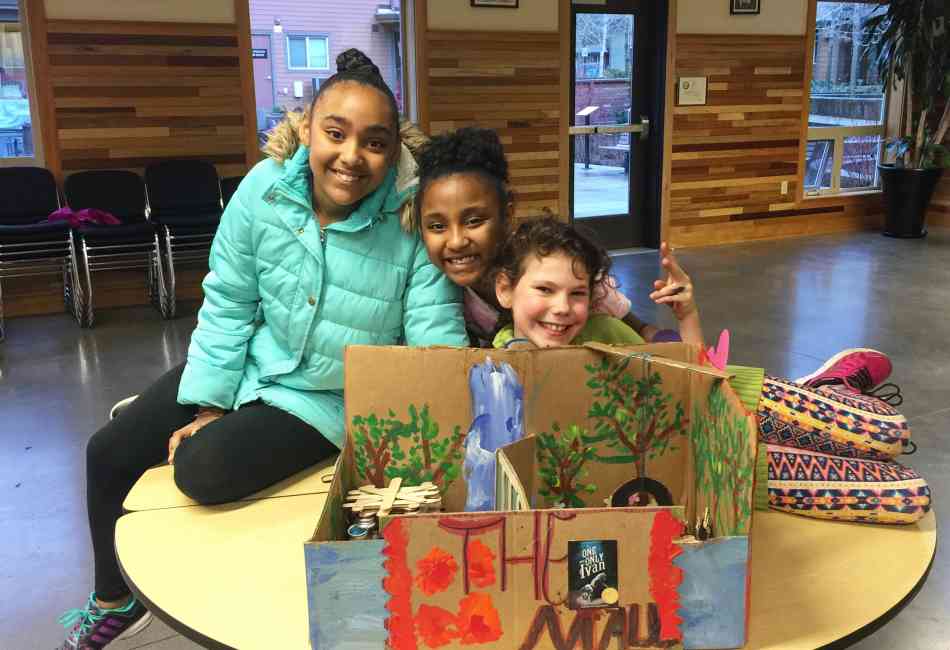
The addition of development staff provides more resources for Bridge Meadows to support children in foster care.
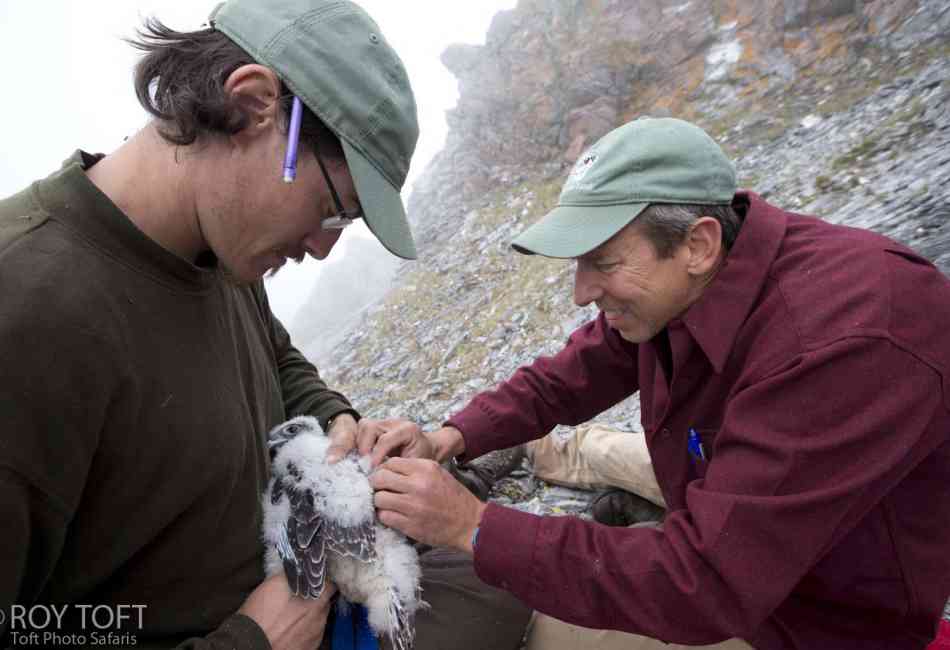
The addition of a spatial ecologist allows Peregrine Fund to research and support the conservation of raptors around the world.
Initiative Grants
A variety of grant programs focused on scientific research, education and calling
Undergraduate Colleges & Universities
In addition to Strategic Projects grants in scientific research, the Murdock Trust supports five initiatives for science research at four-year undergraduate institutions across the Pacific Northwest: Research Start-Up Grants for New Science Faculty, Murdock College Research Program for Natural Sciences, Murdock College Science Research Program, RAISE (Research Across Institutions for Scientific Empowerment)—a program of the Collaborative Research Alliance and Murdock College Science Research Program, as well as the Lynwood W. Swanson Scientific Research Award and the Lynwood W. Swanson Promise for Scientific Research Award.


Research Universities & Biomedical Institutes
The Murdock Trust supports groundbreaking research by helping to facilitate lab discoveries and bring innovation to where it’s needed most. Grants support the purchase of scientific research instrumentation and the commercialization of bench discoveries at select major research universities, and biomedical institutes.
Partners in Science
When secondary school science teachers and pre-service science teachers engage in cutting-edge research alongside a scientific mentor, it enriches their students and schools. Teachers become part of a teacher-researcher cohort and learn strategies for translating their research experience into authentic inquiry learning in their classroom.


Vision & Call Internships
The Vision & Call Internship program gives interns the opportunity to consider their vocational direction while gaining meaningful work experience in a nonprofit setting. Grants help faith-based organizations across the Pacific Northwest develop ministry internship programs for young adults, typically traditional-aged college students and recent graduates.